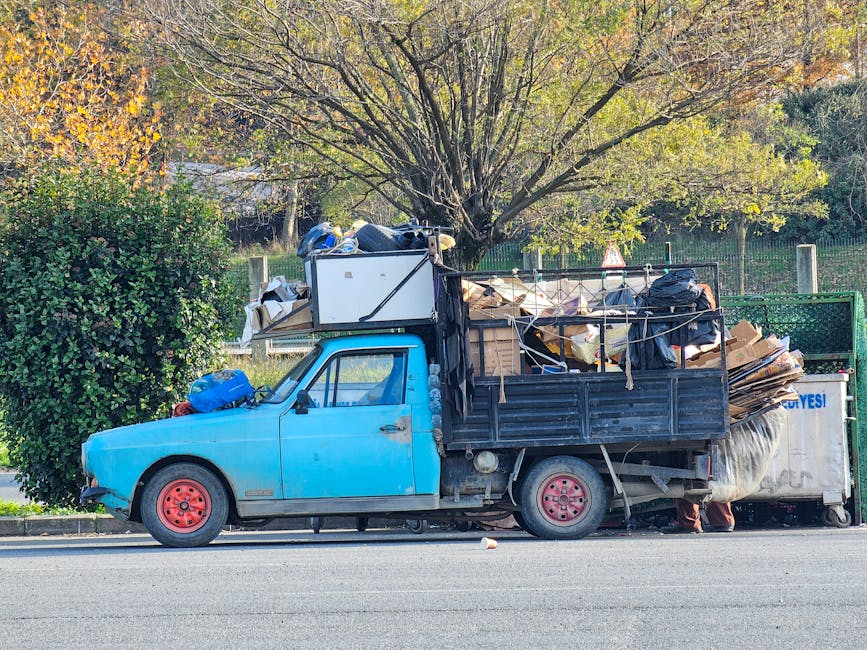
Kelsey Park bulky rubbish pickup tips: a practical guide for safer, smoother clearances
If you are trying to deal with bulky rubbish near Kelsey Park, you are probably after something very ordinary and very annoying at the same time: a clear, reliable way to get large items out of the way without turning your day into a minor expedition. That is exactly where Kelsey Park bulky rubbish pickup tips become useful. Whether you are clearing a flat, tidying a garage, replacing furniture, or finally tackling the pile that has been "temporarily" sitting in the hallway for weeks, a bit of planning makes the whole job easier.
In this guide, you will find practical advice on what counts as bulky waste, how pickups usually work, what to prepare before collection day, and how to avoid the common mistakes that cause delays, extra handling, or surprise costs. We will also look at when a local clearance service may be the better option, especially for awkward items, mixed loads, or last-minute jobs. Let's make the whole thing simpler, shall we?
Why Kelsey Park bulky rubbish pickup tips matters
Bulky rubbish is rarely tricky because of the item itself. The trouble is usually everything around it: access, timing, lifting, sorting, parking, and the quiet hope that somebody else will somehow sort it out. Around Kelsey Park and the surrounding Beckenham streets, that can mean narrow drives, shared access, awkward stairwells, and limited space for stacking items neatly before collection. One bulky sofa is manageable. A sofa, a mattress, a broken wardrobe, and a couple of bags of mixed waste? Different story.
Good tips matter because they help you avoid the usual friction points. A tidy, well-prepared pickup is quicker, safer, and more likely to be handled efficiently. You also reduce the chance of items being left behind because they were too heavy, too contaminated, or not separated properly. That sounds basic, but honestly, basic is where most people save the most time.
There is also a wider point: bulky waste is not the same as general rubbish. Some items can be reused, some can be recycled, and some need special handling. Getting that part right means less waste goes to landfill and more of the load can be dealt with responsibly. If that matters to you, it should, then a bit of prep pays off twice. If you want to see how a responsible clearance approach fits into a broader service, have a look at recycling and sustainability and the main waste removal service options.
How Kelsey Park bulky rubbish pickup tips works
At its simplest, a bulky rubbish pickup is a collection arranged for items too large, heavy, or inconvenient for normal household bins. The exact process depends on who is collecting it, but the practical steps are usually similar. First, you identify what needs removing. Next, you separate what can be reused or recycled from what is true waste. Then you make sure the items are accessible and ready when the collection happens.
In a local clearance job, access matters almost as much as the waste itself. If a team has to manoeuvre a three-seater sofa down a narrow staircase, round a corner, and through a front gate that barely opens, it slows the job right down. If the same sofa is placed in a clear, dry spot close to the exit, the pickup is usually far smoother. Simple, but crucial.
Some bulky items can be moved as they are. Others are better disassembled first, especially wardrobes, bed frames, office desks, or shelving units. That is where a little advance prep saves time and reduces the chance of scratches, broken plaster, or strained backs. For bigger furniture jobs, it can help to compare dedicated options such as furniture clearance, furniture disposal, or mattress and sofa disposal depending on what you have.
There is one more thing people often forget: mixed loads. A pickup becomes harder when bulky waste is buried under loose rubbish, old bags, broken household items, or small recyclable materials. The more clearly you separate the load, the easier the collection team can work. And yes, it really does make a difference on the day.
Key benefits and practical advantages
Following a few sensible pickup tips gives you benefits that are more practical than glamorous, but that is usually what people want anyway.
- Less lifting stress: You reduce unnecessary carrying by placing items where they are easiest to collect.
- Faster clearance: A prepared load takes less time, which is especially helpful if you are working to a tight schedule.
- Lower risk of damage: Tight corridors, stairs, and door frames are unforgiving if large items are rushed.
- Better recycling outcomes: Sorting ahead of time helps recyclable materials go where they should.
- Cleaner presentation: A well-organised pickup looks better for neighbours, managing agents, or landlords.
- Less back-and-forth: Good preparation means fewer unexpected problems on collection day.
That last one is easy to underestimate. Nobody likes hearing, "We'll need to come back for the rest," after they have already spent half the morning getting everything ready. If you have ever dragged an old sofa halfway to the kerb only to realise the cushions are still buried in the spare room, you will know the feeling. Not ideal.
For homeowners, this can mean less weekend disruption. For landlords and managing agents, it can mean fewer complaints and a quicker turnaround between tenancies. For businesses, the benefit is obvious: less downtime and a tidier working environment. If you are clearing commercial space as well as bulky items, it may be worth looking at office clearance or business waste removal where appropriate.
Who this is for and when it makes sense
This topic is relevant to a lot of people, not just those doing a full house clear-out. Bulky rubbish pickup tips are especially useful if you are:
- moving out of a flat or house and need fast removal of large items
- replacing old furniture, beds, or appliances
- tidying a garage, loft, shed, or storage room
- clearing up after tenants, relatives, or a renovation project
- preparing a property for sale or letting
- running a small business that has accumulated bulky office or stockroom waste
It also makes sense when the job is awkward rather than huge. A single oversized mattress can be more frustrating than a pile of smaller rubbish if the access is poor. Likewise, an old fridge in a tight kitchen can be a bigger headache than several light bags of junk. That is why services like fridge and appliance removal can be more practical than trying to improvise.
For larger domestic projects, the right support may come from house clearance, home clearance, flat clearance, garage clearance, or loft clearance. The best choice depends on what is being removed, how much access you have, and whether you need a simple pickup or a fuller clearance.
Step-by-step guidance
If you want a smoother pickup, this is the part to follow closely. Nothing fancy. Just the sequence that usually works best.
- List everything that needs to go. Write it down room by room. It is surprising how often a forgotten chair or broken shelf turns up at the last minute.
- Separate bulky waste from reusable items. If something can be donated, sold, or reused, set it aside before the collection day.
- Check for special items. Appliances, mattresses, electronics, and any potentially hazardous materials may need specific handling.
- Clear the access route. Move smaller objects, plant pots, bikes, and anything else that could block the path.
- Disassemble where sensible. Remove table legs, bed frames, or shelves if doing so makes the item safer to move.
- Bundle and label smaller components. Put screws, fittings, and shelves into a bag and tape it to the main item if possible.
- Place items in the collection area. Ideally, this should be a dry, accessible spot that does not block neighbours or passers-by.
- Confirm timing and any restrictions. If there are access windows, parking issues, or estate rules, sort them out before the day arrives.
One small but useful detail: if you are dealing with a mix of bulky items and general clutter, separate the obvious categories first. Furniture on one side, electricals in another, light mixed waste somewhere else. It does not need to look like a warehouse. Just organised enough that everyone can see what is what.
And if you are unsure whether an item belongs in a larger disposal category, it can help to check guidance such as what can go in a skip. Even if you are not using a skip, the sorting principles are often the same.
Expert tips for better results
Here is the bit that tends to save the most hassle. These are the practical habits that make bulky pickups go more smoothly in real life, not just on paper.
1. Photograph awkward items before collection
If you are arranging a quote or discussing access, a few clear photos can help massively. Snap the item from different angles, show the doorway or stairwell, and include the area where it will be collected from. It avoids guesswork. And guesswork is where the trouble starts.
2. Keep wet or contaminated waste separate
Soaked carpets, mouldy furniture, or badly contaminated items can change how a job is handled. If a bulky item has been sitting in a damp garage or garden, say so early. It is better to be upfront than to have surprises on the day.
3. Remove personal items first
Drawers, cupboards, wardrobes, and desks often contain little odds and ends. Old receipts, chargers, tools, keys, bits of paperwork. All the usual mysteries. Clear them before the pickup, especially if confidential documents are involved. For sensitive paperwork, a service like confidential shredding is worth considering.
4. Plan for the weather
In the UK, a dry morning can become a damp one in about twenty minutes. If items are left outside, cover them where possible and do not stack them on slippery surfaces. Wet cardboard and upholstery are a nuisance to handle, and nobody enjoys wrestling a soggy mattress in a drizzle.
5. Think about recycling before the truck arrives
Many bulky items contain materials that can be separated or routed into more appropriate waste streams. Wood, metal, fabric, and certain plastics often do not belong in the same pile if they can be avoided. That is one reason responsible operators talk about recycling and sustainability rather than simply "taking it away."
Common mistakes to avoid
Most problems with bulky rubbish pickup are avoidable. Most. Not all, because life does like a bit of chaos, but most.
- Leaving everything to the last minute: This usually means rushed sorting, missed items, and poor access.
- Mixing bulky waste with loose rubbish: It makes collection slower and can cause items to be overlooked.
- Forgetting about access restrictions: Narrow gates, stairs, parking limits, and shared entrances all matter.
- Not checking for special disposal needs: Fridges, mattresses, upholstered furniture, and electrical items often need different handling.
- Overestimating what you can lift safely: If it feels too heavy or awkward, it probably is.
- Assuming all providers work the same way: Some offer simple pickup only, while others handle full clearances and sorting.
One particularly common mistake is treating an old sofa like a bag of garden waste. It is bulky, yes, but it is also awkward, heavy, and often best moved by people who do this day in, day out. There is no prize for proving otherwise, really.
If the job has turned into more than a single-item pickup, it may be worth comparing it with wider options such as furniture clearance or a broader home clearance approach. That choice can simplify the whole process.
Tools, resources and recommendations
You do not need specialist equipment for every bulky pickup, but a few simple tools make life noticeably easier.
- Gloves: Useful for dirty edges, splinters, and rough surfaces.
- Sturdy tape: Helps bundle loose parts and secure smaller fittings.
- Basic screwdriver or hex key set: Handy for taking apart beds, shelving, or modular furniture.
- Blankets or old sheets: Good for protecting door frames and floors during movement.
- Marker pen and bags: Useful for labelling parts, screws, and cables.
- Phone camera: Ideal for documenting what needs removing and the access route.
In terms of services, the best match depends on the item type and volume. A few examples:
- furniture disposal for single items or small sets of unwanted furniture
- mattress and sofa disposal for common heavy household pieces
- fridge and appliance removal for white goods and kitchen equipment
- builders waste clearance for renovation leftovers and heavy debris
- garden clearance for outdoor bulky waste, broken planters, and green debris
If you are trying to judge costs or compare service levels, the pages on pricing and quotes and book online are useful starting points. They are especially helpful when you need a quick decision and do not want to spend all afternoon emailing back and forth.
Law, compliance, standards, or best practice
Bulky waste handling in the UK is shaped by a mix of common sense, duty of care, and general waste best practice. You do not need to become a legal expert to arrange a pickup, but a few standards are worth keeping in mind.
First, waste should be handled by an appropriate service and taken to a proper facility. If you are disposing of items on behalf of a household, landlord, or business, it is sensible to make sure the collector is able to manage the waste lawfully and safely. That matters especially for mixed loads, business waste, and anything that may be classed as hazardous.
Second, some items need extra caution. Batteries, chemicals, asbestos-containing materials, paints, solvents, and certain appliances should never be treated like ordinary bulky rubbish. If there is any doubt, pause and check before moving it. That one decision can save a lot of trouble later.
Third, safe lifting is not just a nice idea. It is a basic part of a well-run pickup. Heavy, sharp, or unstable items should be moved with proper care, and if an item is too awkward to lift safely, it should be handled by people and equipment suited to the job. The same goes for access planning. A clear route is a safety measure, not a luxury.
Where a job involves commercial premises, the expectations can be a little stricter. Businesses usually need better records, clearer segregation, and more careful handling of confidential or specialist waste. If that is your situation, business waste removal and the site's health and safety policy are worth reviewing.
There is also a sustainability angle. Best practice today tends to favour reuse and recycling where possible, not just disposal for disposal's sake. That is the direction sensible services are moving in, and it is usually the better outcome for everyone.
Options, methods, or comparison table
When dealing with bulky rubbish near Kelsey Park, you usually have a few options. The right one depends on volume, access, urgency, and the kind of items involved.
| Option | Best for | Pros | Watch out for |
|---|---|---|---|
| Self-loading to a vehicle or skip | Smaller jobs with good access and time to spare | Can be straightforward if you already have transport | Heavy lifting, parking issues, sorting mistakes, and disposal restrictions |
| Bulky waste pickup | Single items or moderate loads that need collection | Convenient, less physical effort, quicker on the day | Needs clear access and accurate descriptions of the items |
| Full clearance service | Larger mixed loads, property clear-outs, or time-sensitive jobs | More complete, more organised, usually less stress | May be more than you need for a very small job |
| Specialist item removal | Fridges, sofas, mattresses, appliances, or awkward items | Better matched to item type and handling needs | Works best when you identify the item correctly in advance |
For many households, the decision comes down to this: do you want to move one or two items, or do you want the whole problem dealt with properly? That is the real split. If the answer is "the whole problem," a broader clearance service often makes more sense than piecing it together yourself.
Case study or real-world example
Picture a typical Saturday morning near Kelsey Park. A family has just replaced an old sofa, a broken coffee table, and a mattress that has seen better decades. The items are currently spread across two rooms, the hall, and a bit of the landing. The front access is narrow, the kids are underfoot, and the rain has started doing that steady British thing where it feels more committed than predicted.
Instead of dragging everything into one heap and hoping for the best, they take a calmer approach. First, they clear the hallway. Then they remove cushions, loose fittings, and anything personal from the furniture. The coffee table is partly dismantled. The mattress is stood upright in a dry corner. One quick photo is taken of the access route in case anything needs checking. The result? A much easier pickup, less mess, and far fewer words exchanged in that strained, "we should have done this yesterday" tone that everyone recognises.
That kind of preparation works whether the job is small or mid-sized. It does not make the waste disappear, obviously, but it makes the collection feel manageable. And sometimes that is half the battle.
In a slightly bigger scenario, a landlord clearing a flat after a tenancy may combine furniture, a couple of appliances, and general bulky household waste. In that case, a service like flat clearance or house clearance is often a neater answer than arranging separate pickups one by one.
Practical checklist
Use this checklist before collection day. It is short on purpose.
- Make a full list of the bulky items
- Separate reusable items from true waste
- Check whether any item needs special handling
- Remove personal belongings, papers, and valuables
- Disassemble large furniture where it helps
- Clear the access route from room to pickup point
- Cover items if they will be left outside
- Confirm timing, parking, and access arrangements
- Keep cables, screws, and fittings together in a labelled bag
- Ask in advance if you are unsure about one awkward item
That final point is worth repeating. If you are not sure, ask. A quick clarification early on is much better than a blocked collection later. Simple as that.
Get a free quote today and see how much you can save.
Conclusion
Kelsey Park bulky rubbish pickup tips are really about making a practical job less stressful. A little preparation, some basic sorting, and a sensible approach to access can save time, avoid damage, and make the whole collection feel far more straightforward. It is not glamorous work, no, but it does reward a calm head.
If you are clearing a single awkward item, a small cluster of furniture, or a much bigger mixed load, the smartest move is usually to match the method to the problem rather than forcing the problem into one method. That is the difference between a rushed job and a tidy, efficient one. And on a damp Beckenham morning, tidy feels pretty good.
When you are ready to move from planning to action, choose the option that fits your access, your timescale, and the kind of waste you actually have. A bit of care now can make a surprisingly big difference later.
Frequently Asked Questions
What counts as bulky rubbish near Kelsey Park?
Bulky rubbish usually means large household or business items that do not fit into normal bins, such as sofas, mattresses, wardrobes, beds, tables, appliances, and large mixed waste items.
How do I prepare bulky items for pickup?
Clear out the contents, separate reusable items, remove loose parts where possible, and place everything in an accessible spot. If the item can be dismantled safely, that often helps too.
Can I leave bulky waste outside for collection?
Usually yes, if it is safe, permitted, and does not block access or create a hazard. It is best to keep items dry and tidy rather than scattered across the pavement or shared space.
Do I need to separate furniture from other rubbish?
It is strongly recommended. Separating furniture, appliances, and mixed rubbish makes the collection easier and improves the chance that recyclable materials can be handled properly.
What should I do with fridges or other appliances?
White goods and similar items are best handled as appliance removal rather than general rubbish. They may contain parts that need specific treatment, so it is sensible to use a service that handles them properly.
Is bulky rubbish pickup better than hiring a skip?
It depends on the job. A pickup can be better for awkward items, limited space, or when you do not want to load everything yourself. A skip can suit ongoing DIY or waste you can sort over time.
How do I know if I need a full clearance instead?
If you have multiple rooms of items, a mix of waste types, or a time-sensitive property clear-out, a fuller clearance service is often the better fit than a single bulky item pickup.
What happens if my items are too heavy to move safely?
Do not force it. Heavy or awkward items should be handled carefully, with proper lifting and access planning. If in doubt, arrange a service that can manage the item safely from the start.
Can bulky waste be recycled?
Often, yes. Many bulky items contain recyclable materials such as metal, wood, and some plastics. The more clearly items are sorted, the easier it is to recycle what can be recovered.
What if I have confidential papers with my bulky waste?
Remove documents before pickup and arrange secure disposal separately. Confidential shredding is the safer option if paperwork includes personal or business-sensitive information.
Are there special rules for business bulky waste?
Business waste usually needs more careful handling, clearer records, and better segregation than domestic rubbish. If you are clearing an office or commercial space, business-specific removal is usually the better route.
How can I avoid extra delays on collection day?
Give accurate details, clear the access route, separate item types, and make sure the collection point is ready. A few minutes of preparation usually saves a lot of waiting around later.
Where can I find pricing or book a collection?
If you are comparing options, the site's pricing and quotes and book online pages are a practical starting point.