Beckenham High Street rubbish removal guide BR3
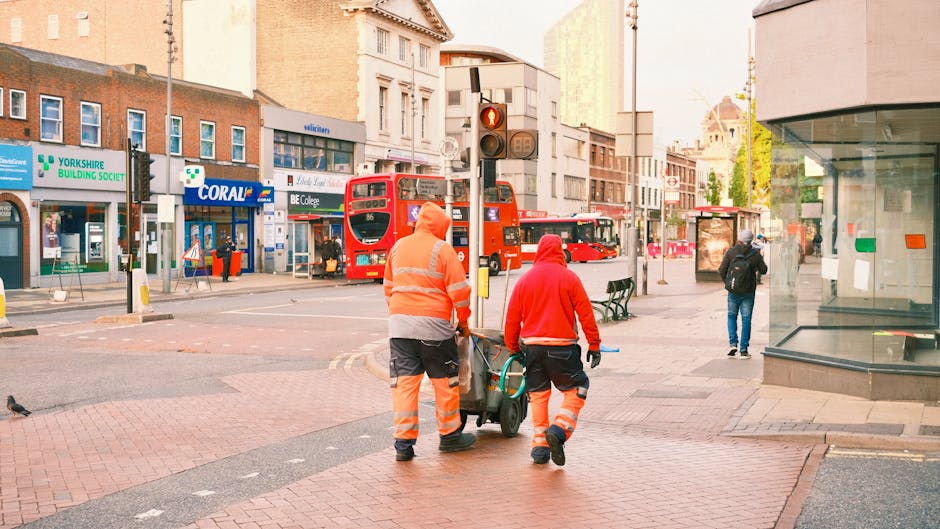
If you are trying to clear rubbish in or around Beckenham High Street, you already know the awkward part is rarely the bin bag itself. It is the timing, the access, the waste type, the "where does this actually go?" question, and, to be fair, whether you want to spend your Saturday morning wrestling with a mattress down a narrow stairwell. This Beckenham High Street rubbish removal guide BR3 breaks the process down in plain English so you can choose the right approach, avoid common mistakes, and get the job done without unnecessary stress.
Whether you are dealing with a flat tidy-up, a shop refit, old furniture, builders' debris, or a garage that has quietly turned into a storage unit, the right rubbish removal plan saves time and usually feels far less chaotic than trying to improvise on the day. We will cover how the process works, what to watch out for on a busy high street, and which options make sense for different types of waste.
Why Beckenham High Street rubbish removal guide BR3 Matters
Beckenham High Street has the kind of everyday movement that makes rubbish removal deceptively tricky. There is foot traffic, parking pressure, delivery activity, and a mix of homes, flats, offices, cafes, and independent businesses. That means waste cannot always be set out casually and left for later. On a street like this, planning matters because poor timing or poor handling can create clutter, block access, or just make the whole job take twice as long.
For residents, the big issue is convenience. For businesses, it is continuity. Nobody wants rubbish bags, broken furniture, or renovation waste hanging around for days while customers step around it. And if you are handling a property move, refurbishment, or an end-of-tenancy clear-out, the pressure is even more obvious. One small delay, and suddenly the space feels unmanageable. You know the feeling.
There is also a bigger practical point. Different waste streams should be dealt with differently. General rubbish, recyclable items, electrical items, fridges, mattresses, and hazardous materials do not all follow the same path. If you mix everything together without thinking, disposal becomes harder, and sometimes more expensive. That is why a structured rubbish removal guide is useful rather than just convenient.
For many local jobs, a professional waste removal service is the simplest route, especially when access is tight or the amount of waste is awkwardly too much for normal household collection but not quite enough to justify a bigger project. It is not about making life fancy. It is about making it manageable.
Table of Contents
- Why Beckenham High Street rubbish removal guide BR3 Matters
- How Beckenham High Street rubbish removal guide BR3 Works
- Key Benefits and Practical Advantages
- Who This Is For and When It Makes Sense
- Step-by-Step Guidance
- Expert Tips for Better Results
- Common Mistakes to Avoid
- Tools, Resources and Recommendations
- Law, Compliance, Standards, or Best Practice
- Options, Methods, or Comparison Table
- Case Study or Real-World Example
- Practical Checklist
- Conclusion
- Frequently Asked Questions
How Beckenham High Street rubbish removal guide BR3 Works
At a practical level, rubbish removal is straightforward: assess the waste, decide how it should be removed, book the collection, and make sure the items are ready to go. But the details matter. A tidy one-room clear-out and a mixed bulky waste job are not the same thing at all. The first may take minutes. The second may involve carrying, sorting, and separating materials that need different treatment.
Most local rubbish removal jobs follow a pattern like this:
- Identify the waste type. Is it general junk, old furniture, garden waste, builders' rubble, appliances, or confidential paper?
- Estimate the volume. A few bin bags is one thing; a hallway full of furniture is another.
- Check access. Narrow stairs, parking restrictions, and loading points can change the best method.
- Choose the service. Some jobs suit a full clearance, others are better as a targeted collection.
- Prepare the items. Put waste somewhere accessible if possible and separate anything sensitive or hazardous.
- Arrange removal and disposal. The collection should include loading, transport, and responsible disposal or recycling.
For example, if you are clearing a rented flat near the high street, you might need a mixture of old furniture, packaging, and a few broken household items. In that case, a focused service such as flat clearance or home clearance may be more useful than a generic one-size-fits-all approach. If you are dealing with office clutter, paper records, and outdated equipment, office clearance can be a better fit, especially when you want the space cleared with minimal disruption.
The best providers also think about sorting and recycling before the waste leaves the site. That makes the whole process cleaner and often more efficient. It also means you are not left guessing where everything ended up. A small detail, maybe, but one that matters.
Key Benefits and Practical Advantages
Good rubbish removal is not only about making things disappear. It solves a few different problems at once.
- Saves time: You avoid multiple trips to a disposal site, heavy lifting, and the faff of trying to fit everything into a car.
- Reduces stress: A clear plan takes the pressure off, especially if you are working to a deadline.
- Improves safety: Loose waste, sharp edges, and overloaded bags can create avoidable risks.
- Helps with access: On a busy street, removing items promptly keeps entrances, pavements, and shared areas clearer.
- Supports recycling: A sorted collection usually gives more opportunities for items to be reused or processed properly.
- Makes properties presentable: This matters before a sale, a letting inspection, a renovation, or even just a personal reset.
There is a less glamorous benefit too: decision fatigue goes down. Once the job is booked, you stop carrying it around in your head. That can be a relief in itself. Let's face it, clutter has a way of taking up more mental space than floor space.
If your waste includes bulky household items, the right specialist service can make the difference between a smooth afternoon and a stressful one. For instance, furniture disposal can be the better option when the main problem is old wardrobes, sofas, tables, or unwanted bedroom pieces that are too awkward for normal household handling. If you have a single heavy item or a mixed load, it is often worth thinking in terms of practical removal rather than just bin collection.
Who This Is For and When It Makes Sense
This guide is useful for a pretty wide range of people, but the need usually falls into a few common scenarios.
Homeowners and tenants
If you are moving out, moving in, or simply reclaiming space, rubbish removal helps get the property back under control quickly. Tenants often need it for end-of-tenancy clear-outs; homeowners use it after decluttering, renovations, or seasonal clean-ups.
Landlords and letting agents
Vacant properties can accumulate left-behind items faster than you might think. A quick, reliable clear-out is useful when you need the place ready for cleaning, photos, or new occupants.
Businesses on or near the high street
Shops, cafes, salons, and offices often have packaging waste, old display items, stock room clutter, or furniture that needs to go. In these cases, a business-focused approach is important because timing and discretion matter. A service like business waste removal is usually better suited than trying to manage everything informally.
People dealing with a specific room or area
Garages, lofts, sheds, and spare rooms have a habit of becoming "we'll sort that later" zones. If that sounds familiar, you are in good company. A targeted service such as garage clearance or loft clearance can be ideal when one area has become the main problem rather than the whole property.
Anyone with bulky or awkward waste
Old beds, sofas, fridges, appliances, and similar items are the kind of thing many people delay because they are awkward. That is normal. It is why specialist options like mattress and sofa disposal or fridge and appliance removal can be much easier than trying to shift them yourself.
Step-by-Step Guidance
If you want the process to feel calm rather than chaotic, work through it in order. Rushing often causes the little problems that slow everything down later.
- Walk through the space. Make a quick note of what needs to go. Do not overthink it. A simple room-by-room check is enough.
- Split items into clear groups. Keep general rubbish, furniture, electrical items, paperwork, and hazardous materials separate where possible.
- Remove anything you want to keep first. This sounds obvious, but people still leave passports, chargers, receipts, and sentimental bits tucked inside drawers. It happens.
- Measure the awkward pieces. Check doorways, stairs, and lift access for large items. A sofa that turns on the landing is one thing; a wardrobe that does not is another.
- Think about parking and loading access. On a busy high street, where the vehicle can stop matters. A simple five-minute detail can save a lot of time on the day.
- Choose the right service type. Furniture, garden waste, builders' debris, and general mixed waste all have different handling needs.
- Ask about disposal methods. A responsible provider should be clear about sorting, recycling, and any items they cannot take.
- Prepare the waste for collection. Put bags together, stack items safely, and make a clear route if possible.
- Keep communication simple. If access is tricky, say so early. If there are stairs, a basement, or loading constraints, mention them before the day.
If you are unsure whether a clear-out is more of a whole-property job or a single-room job, it helps to think in terms of what is actually slowing you down. A complete family property clear can point toward house clearance, while a lighter declutter might sit better within home clearance. That distinction sounds minor, but it matters when you are trying to avoid overpaying or overbooking.
Expert Tips for Better Results
These are the small things that make rubbish removal feel easier in real life.
- Label awkward piles. If there are items not to be taken, mark them clearly. One handwritten note can prevent a headache later.
- Take photos before booking. A few pictures help with estimating volume and access. They also stop misunderstandings.
- Keep sensitive items aside. If you have paperwork, devices, or anything confidential, separate it early. For documents, confidential shredding is a sensible extra step.
- Bundle similar waste together. Mixed loads are fine, but neat grouping makes collection smoother.
- Be realistic about weight. Wet garden waste, broken bricks, and rubble are heavier than they look. Always heavier than you think, actually.
- Do not leave the awkward bits until the last minute. The big, heavy, or messy items are the ones that slow things down.
One of the best habits is simply to choose the right specialist page for the main type of waste. Builders' debris is different from everyday clutter, and it is worth treating it that way. If your job involves plasterboard, offcuts, or renovation leftovers, builders waste clearance usually makes more sense than a generic household tidy-up. Similar thinking applies outdoors, where garden clearance is more appropriate for cuttings, soil, branches, and old outdoor furniture.
And one more thing: if you are near the high street itself, timing can matter a lot. A collection at a quieter time of day can be noticeably easier than trying to load bulky waste while the pavement is busy. Not glamorous, but very real.
Common Mistakes to Avoid
Most rubbish removal problems come from the same few habits.
- Mixing everything together. Recyclables, appliances, and general rubbish should not all be treated as identical.
- Underestimating access issues. Narrow hallways, stairwells, and parking restrictions can change the whole plan.
- Leaving hazardous waste in the pile. Paints, chemicals, sharp objects, and similar materials need extra care.
- Forgetting about bulky items. A few small bags are simple. A sofa and mattress are not.
- Booking the wrong type of clearance. A garage, office, and flat all have different needs.
- Assuming the cheapest option is the best. The cheapest job is not always the one that saves time or hassle overall.
There is a classic one, too: people assume a bit of "extra stuff" will fit in later. It rarely does. If you are clearing out a property, sort the obvious items first and leave the maybe-pile for a final pass. Saves drama.
For anyone with items that are particularly sensitive, messy, or simply unpleasant to deal with, the right specialist route is worth its weight in tea money. For example, old soft furnishings may be better handled through mattress and sofa disposal rather than left to the end of the process as an afterthought.
Tools, Resources and Recommendations
You do not need a truckload of equipment to prepare for rubbish removal, but a few basic tools help a lot.
- Strong bin bags or rubble bags: useful for keeping general waste contained.
- Tape and labels: helpful for marking items to keep or separate.
- Gloves: sensible for handling dusty, sharp, or dirty items.
- Measuring tape: especially useful for large furniture and tight access points.
- Phone camera: quick photos give you a record and help with planning.
There are also a few service pages that can help you decide the right path before you book. If you want to compare disposal options, furniture clearance is useful for bigger domestic items, while what can go in a skip is a helpful reference point if you are weighing up whether a skip or a direct collection is the better fit.
For pricing-related questions, the most practical next step is usually to get a clear quote based on the actual volume and access rather than guessing. A page like pricing and quotes is the kind of thing people often need when they are comparing options and want a realistic sense of value.
And if your concern is security or trust, especially for business or property clearances, it is worth checking pages such as insurance and safety and health and safety policy. Nobody wants guesswork where heavy lifting is involved.
Law, Compliance, Standards, or Best Practice
For rubbish removal in the UK, the headline principle is simple: waste should be handled responsibly, and the person producing it still has a duty to be careful about where it ends up. In practice, that means using a service that understands proper sorting, transport, and disposal. You do not need to become a waste expert overnight, thankfully, but you should be cautious with anything potentially restricted or hazardous.
As a general rule, you should treat the following with extra care:
- chemicals and paint tins
- batteries and electrical equipment
- fridges and appliances
- broken glass, sharps, or contaminated items
- items containing confidential data
That is where specialist handling becomes important. If you have an item that may need separate management, a page such as hazardous waste disposal is a good reminder that not everything should be bundled into the nearest pile and waved away. Small mistake, big nuisance.
Best practice also includes safe lifting, sensible packing, and protecting shared spaces. On a busy street, that means not blocking entrances longer than necessary, keeping routes clear, and avoiding spillages. If you are in a block of flats or shared building, being considerate of neighbours is part of good practice too. Quietly so, but it matters.
Options, Methods, or Comparison Table
There is no single best rubbish removal method for every job. The right choice depends on volume, access, item type, and timing. Here is a simple comparison to help you decide.
| Option | Best for | Strengths | Possible drawbacks |
|---|---|---|---|
| DIY disposal | Small amounts of light waste | Flexible and low-tech | Time-consuming, lifting, trips, and disposal uncertainty |
| Skip-style approach | Ongoing work or larger, static loads | Good for bulk, easy for renovation waste | Needs space, permits or access planning may be needed |
| Professional waste removal | Mixed, bulky, or awkward items | Fast, convenient, handled for you | Cost can be higher than DIY for tiny jobs |
| Specialist clearance | Furniture, appliances, offices, lofts, or full properties | Tailored to the type of waste and setting | Needs a clearer brief at the start |
If you are deciding between a full property clear-out and a smaller collection, the most useful question is not "what sounds cheapest?" but "what gets this done properly with the least friction?" That usually leads people to the right answer faster than chasing the lowest headline figure. Sometimes the practical route is simply the best route.
Case Study or Real-World Example
Picture a fairly ordinary situation near Beckenham High Street: a small flat is being prepared for a new tenancy, and the rooms contain a few old chairs, a mattress, some broken shelving, mixed bagged rubbish, and a box of paperwork that needs sorting before anything else leaves the property.
The first mistake would be trying to do everything at once. That turns a clear-out into a weekend project, and nobody needs that. A better approach is to separate the paperwork, set aside any items to keep, group the furniture, and identify the waste that needs specialist handling. The mattress and chairs might be removed together, while the paperwork is dealt with separately. If there is a fridge or appliance involved, that gets flagged on its own.
In that sort of scenario, a combination of flat clearance and furniture disposal may make much more sense than tackling everything as generic rubbish. You get a cleaner result, fewer mistakes, and less back-and-forth on the day. Honestly, that is what most people want: less faff, more done.
The real lesson is simple. Once the waste is separated into sensible groups, the job gets easier very quickly. What looked like a mountain often becomes a few manageable piles. Funny how that works.
Practical Checklist
Use this before you book or start moving items.
- Check exactly what needs to go.
- Separate keep, donate, recycle, and remove piles.
- Identify any hazardous, electrical, or confidential items.
- Measure bulky furniture and check access routes.
- Think about parking and loading space near Beckenham High Street.
- Photograph the waste if you need a clearer quote.
- Decide whether you need general removal or a specialist clearance.
- Clear a safe path where items will be carried out.
- Warn the provider about stairs, lift access, or tight turns.
- Confirm how disposal, recycling, and restricted items will be handled.
Expert summary: The easiest rubbish removal jobs are the ones planned before the first bag is lifted. A quick sort, clear access, and the right service choice will usually save more time than any last-minute shortcut ever could.
Get a free quote today and see how much you can save.
Conclusion
Rubbish removal on or around Beckenham High Street does not need to be complicated, but it does need a bit of thought. The busiest streets, the tightest access points, and the messiest clear-outs all become easier once you match the waste to the right method. That is really the heart of this guide.
If you remember only three things, make them these: sort the waste properly, plan for access, and choose a service that fits the job rather than forcing the job to fit the service. That approach is calmer, safer, and usually better value in the end. No drama required.
And if you are standing there looking at a room full of stuff thinking, "Where on earth do I start?", start with one corner. One bag. One decision. It builds from there. Bit by bit, it always does.
Frequently Asked Questions
What is included in Beckenham High Street rubbish removal?
It usually includes the collection, loading, transport, and responsible disposal or recycling of unwanted household, business, or bulky waste. The exact scope depends on the service and the type of items you have.
Can I use rubbish removal for furniture and appliances?
Yes, in many cases. Bulky items such as sofas, beds, wardrobes, fridges, and other appliances are commonly handled through specialist clearance services rather than standard bin collection.
Is rubbish removal better than hiring a skip?
It depends on the job. A skip can suit ongoing renovation work or large static loads, while direct rubbish removal is often better for mixed waste, bulky items, or properties with limited space.
How do I know which clearance service I need?
Think about the main type of waste and the space you are clearing. A single room, loft, garage, flat, or office may each suit a different service. If in doubt, list the items first and match the service to the bulk of the waste.
Can rubbish removal help with end-of-tenancy clear-outs?
Yes. End-of-tenancy jobs are one of the most common reasons people book rubbish removal. It helps get the property ready for cleaning, inspection, or new tenants without lingering clutter.
What should I do with confidential paperwork?
Keep it separate from the rest of the waste and use a secure destruction option. Confidential files should not just be thrown in with general rubbish if they contain personal or business information.
Are there items that cannot go with general rubbish?
Yes. Hazardous waste, certain electrical items, chemicals, and some appliances need extra care. If you are unsure, treat them separately and ask about the correct handling route before collection.
How much preparation do I need to do before collection?
Usually not a huge amount, but some preparation helps a lot. Group similar items together, keep access clear, move keep-items aside, and mention anything awkward such as stairs, narrow doorways, or parking issues.
Can businesses on Beckenham High Street arrange regular waste removal?
Yes. Many businesses benefit from scheduled or repeat collections, especially if they generate packaging, stock-room waste, or office clutter. Regular planning is often simpler than dealing with occasional pile-ups.
What if my rubbish includes a mix of household and garden waste?
That is very common. Mixed loads can usually be dealt with, but separating the different materials first can make the collection smoother and help with sorting or recycling afterwards.
Do I need to think about safety during rubbish removal?
Absolutely. Heavy lifting, sharp edges, broken glass, and awkward furniture can cause injuries if handled carelessly. Good access planning and sensible packing make the process much safer.
What is the best next step if I am unsure about cost?
Get a tailored quote based on the actual waste, access, and collection requirements. A proper estimate is far more useful than guessing, especially for bulky or mixed clear-outs.
If you want to learn more about the company behind these services, you can also read the about us page, or review the recycling and sustainability approach to understand how waste is handled with care.